Orthodontics and Braces
Orthodontic treatment aims to improve the position of teeth and, where appropriate, the relationship between the jaws using controlled forces and planned follow-up.
Orthodontics explained
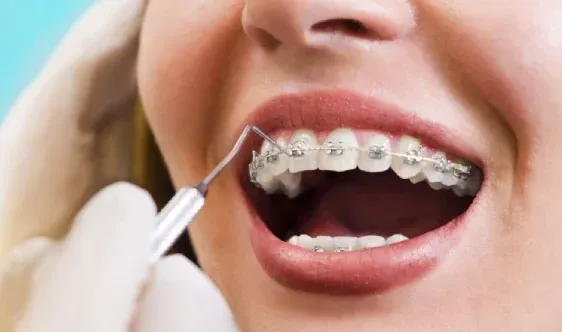
Orthodontics assesses the alignment of the teeth and the relationship between the jaws. Fixed braces, wires and removable appliances may be used depending on age and clinical findings.
The aim is not limited to appearance. Tooth position can also affect cleaning, bite function and the way chewing forces are distributed.
- 01Examination and records
The teeth and jaws are examined. Radiographs, photographs and models or digital impressions may be requested.
- 02Treatment plan
The available appliance options, expected stages and estimated duration are discussed according to the diagnosis.
- 03Appliance placement
The selected braces or removable appliance are fitted, and cleaning and adaptation instructions are provided.
- 04Review appointments
Progress is monitored at planned intervals and adjustments are made where required.
- 05Retention
After active treatment, a retainer is used as advised to help maintain the new tooth positions.
Questions about Orthodontics
These answers provide general information. A dentist must examine you before giving individual advice.
At what age should an orthodontic assessment take place?
An early assessment may be useful during childhood, while orthodontic treatment can also be considered for adolescents and adults. Timing depends on the problem and dental development.
How long does treatment take?
Duration varies according to the diagnosis, appliance and response to treatment. An estimated timeline is discussed after records have been reviewed.
Are there options other than metal braces?
Depending on the case, different fixed or removable appliance options may be considered. Suitability can only be determined after orthodontic assessment.
Can teeth move after treatment?
Teeth can move over time. Using the prescribed retainer and attending reviews are important parts of maintaining the treatment result.
Request an appointment
to discuss Orthodontics
Contact us on WhatsApp or by phone. Consultations are provided by appointment.